


Categories
Archives
Data center construction is accelerating at a pace few sectors have ever seen. Fueled by AI adoption, cloud computing, hyperscale expansion, and nationwide power infrastructure upgrades, these projects are redefining the way (and how fast) critical facilities are built.
But as demand surges, one issue consistently threatens timelines and budgets: labor availability.
Across the country, operations leaders overseeing data center construction projects are discovering that workforce readiness is no longer a support function—it’s the critical path. Without the right people in place at the right time, even the most well-funded builds risk costly delays.
Why Data Center Construction Is Different From Traditional Commercial Builds
Unlike standard commercial construction, data center construction demands an entirely different level of precision, coordination, and compliance.
These facilities are designed to support uninterrupted digital operations. That means:
- Multi-phase builds with overlapping trades
- Strict redundancy, uptime, and commissioning requirements
- Heavy electrical and mechanical scopes
- Zero tolerance for safety or quality failures
A missed deadline on a data center site isn’t just an inconvenience—it can quickly escalate into six- or seven-figure losses, contractual penalties, and reputational risk.
As a result, labor shortages don’t just slow projects down; they compound risk at every phase.
The Scale and Complexity of Modern Data Center Construction Projects
Today’s data center construction projects are larger, more technical, and more compressed than ever before.
Operations leaders are managing:
- Massive sites with rotating crews
- Highly specialized skill requirements
- Tight sequencing across electrical, mechanical, and commissioning phases
- Aggressive delivery schedules tied to energy and grid expansion
In this environment, workforce gaps ripple fast. One understaffed trade can stall multiple downstream activities, putting the entire project at risk.

The Skilled Workforce Required to Power Data Center Construction
At the center of every successful data center build is a highly coordinated, safety-focused workforce. These projects rely on reliable construction workers who understand the unique demands of mission-critical infrastructure.
Key Roles Required to Keep Data Center Projects on Schedule
To meet aggressive timelines and technical standards, data center construction jobs typically include the following core roles:
1. Electricians & Electrical Technicians
High-voltage experience is essential. These workers handle:
- Redundant power systems
- Backup generation
- Switchgear, panels, and critical electrical infrastructure
2. Equipment Operators
From site prep to material handling, experienced operators are required to:
- Move heavy equipment safely
- Support lift operations
- Keep site logistics running smoothly
3. General Laborers
Reliable general labor is the backbone of multi-phase sites. These workers support:
- Material staging
- Cleanup and safety compliance
- Trade support across shifting scopes
4. Specialty Technicians
As data center builds progress, specialized roles become critical, including:
- Fiber and low-voltage technicians
- Controls and automation specialists
- Cooling and commissioning support
5. Skilled Trades Support
Concrete crews, steel support, mechanical helpers, and finish teams all play vital roles in keeping phases aligned and schedules intact.
Together, these data center construction jobs form an interdependent system. When one role is missing, productivity suffers across the board.
Why Staffing Data Center Construction Is So Difficult
Operations leaders face a perfect storm of workforce challenges on data center sites, including:
- Tight, immovable project timelines
- Elevated safety and compliance standards
- Intense competition for skilled labor across regions
- Burnout and turnover on long, multi-phase projects
- Internal teams stretched thin, trying to quickly backfill roles
Each challenge increases operational risk. And as projects scale, traditional hiring models struggle to keep up.
Why Traditional Hiring Models Fall Short for Data Center Construction
Many organizations discover too late that their internal hiring processes aren’t built for the realities of data center construction.
Common breakdowns include:
- Hiring cycles moving slower than project schedules
- Limited access to pre-qualified, safety-compliant workers
- Mismatched hires that increase turnover and retraining costs
- Overloaded HR teams without specialized construction expertise
This isn’t a people problem—it’s a systems problem. Data center construction requires a workforce strategy designed for speed, scale, and compliance.
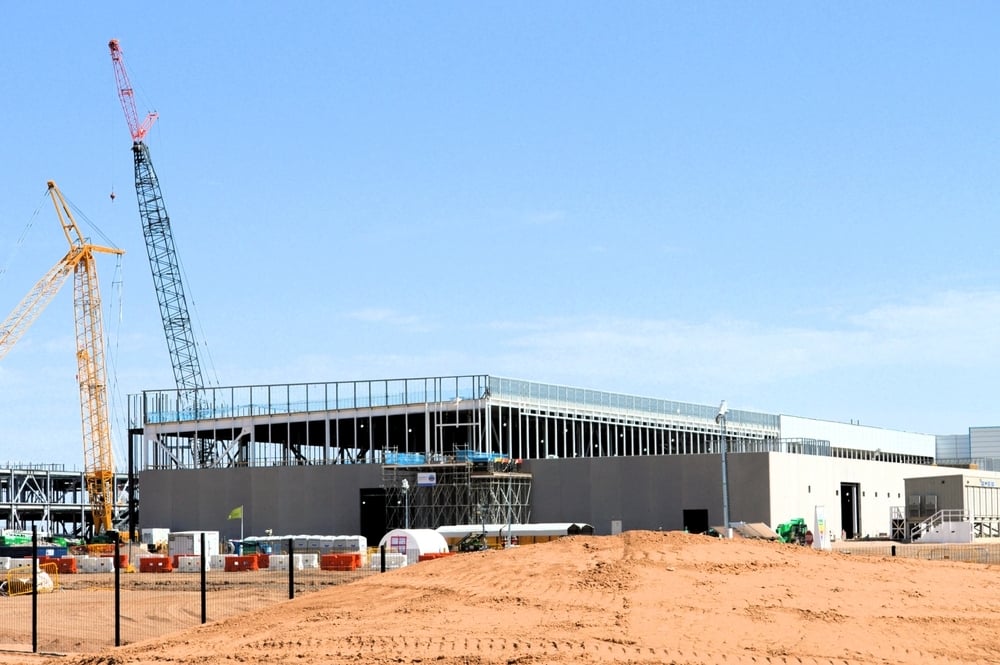
How Spec on the Job Keeps Data Center Construction Projects Moving
Spec on the Job partners with operations leaders to solve workforce challenges before they turn into project delays.
A Smarter Workforce Partner for Data Center Construction
Our approach is built specifically for high-demand, high-compliance construction environments. We provide:
- Rapid access to pre-vetted, safety-focused construction talent
- Workers experienced in complex, mission-critical builds
- Scalable crews that flex across project phases
- Reduced hiring timelines and improved retention
- A partnership model focused on long-term project success
We don’t just deliver people. We help operations leaders maintain momentum, minimize risk, and protect schedules.
Data Center Construction Workforce FAQs
Q: What is data center construction?
A: Data center construction involves building facilities designed to house critical digital infrastructure, requiring specialized electrical, mechanical, and redundancy systems.
Q: What jobs are needed for data center construction projects?
A: Common roles include electricians, electrical technicians, equipment operators, general laborers, specialty technicians, and skilled trades support crews.
Q: Why is skilled labor so critical in data center construction?
A: These projects demand precision, safety compliance, and technical expertise. Labor shortages directly impact timelines, budgets, and operational risk.
Q: How do companies staff large data center construction projects quickly?
A: Many partner with specialized workforce providers that offer pre-vetted, safety-trained workers who can scale quickly across project phases.
Q: What workforce challenges delay data center construction timelines most often?
A: Labor shortages, high turnover, slow hiring cycles, and limited access to specialized skills are the most common causes of delay.
Build Faster, Safer, and Smarter With the Right Workforce Partner
Data center construction isn’t slowing down—and neither are the workforce demands behind it.
Operations leaders who treat labor strategy as a core component of project planning gain a competitive edge. Those who don’t risk delays, cost overruns, and unnecessary stress on already-stretched teams.
If you’re planning or managing data center construction projects, now is the time to align with a workforce partner who understands what’s at stake.
Talk to Spec on the Job about building a workforce strategy that keeps your data center construction projects on schedule.